Treebula - Case study

Monitoring your forest should be a source of peace, not a source of worry

Mobile-first service for forest owners to monitor risk, damage and local conditions using AI & satellite data.

Timeline1.5 month
RoleUX/UI Designer
TypeNew feature
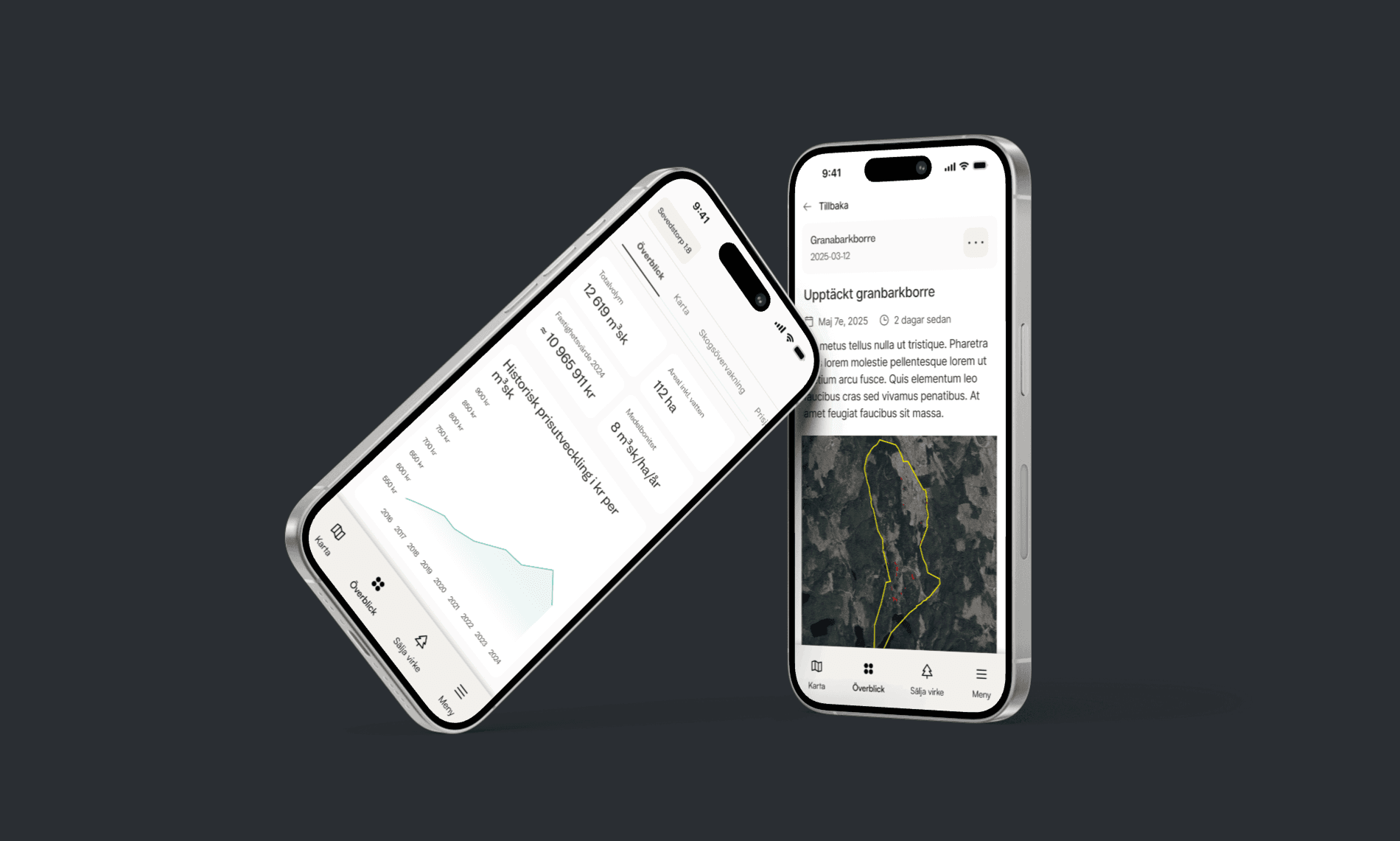
Treebula hero image
THE CHALLENGE

Bridging the gap between distance and care. Many forest owners live far from their land, leading to constant anxiety about storms, pests, or fire. For Treebula, the challenge was to transform complex satellite and AI data into an intuitive mobile tool that provides total control and peace of mind, no matter where the owner is.

PROBLEM & GOALS

Creating peace of mind through digital control

We identified a recurring issue where forest owners struggled to monitor their land due to distance and age. Our goal was to provide security through a new digital service.

  • -A centralized hub. One place for all critical forest information.
  • -Peace of mind. Ensuring users feel in control, even from a distance.
  • -Accessible interface. A simple design tailored for a target group with limited technical confidence.
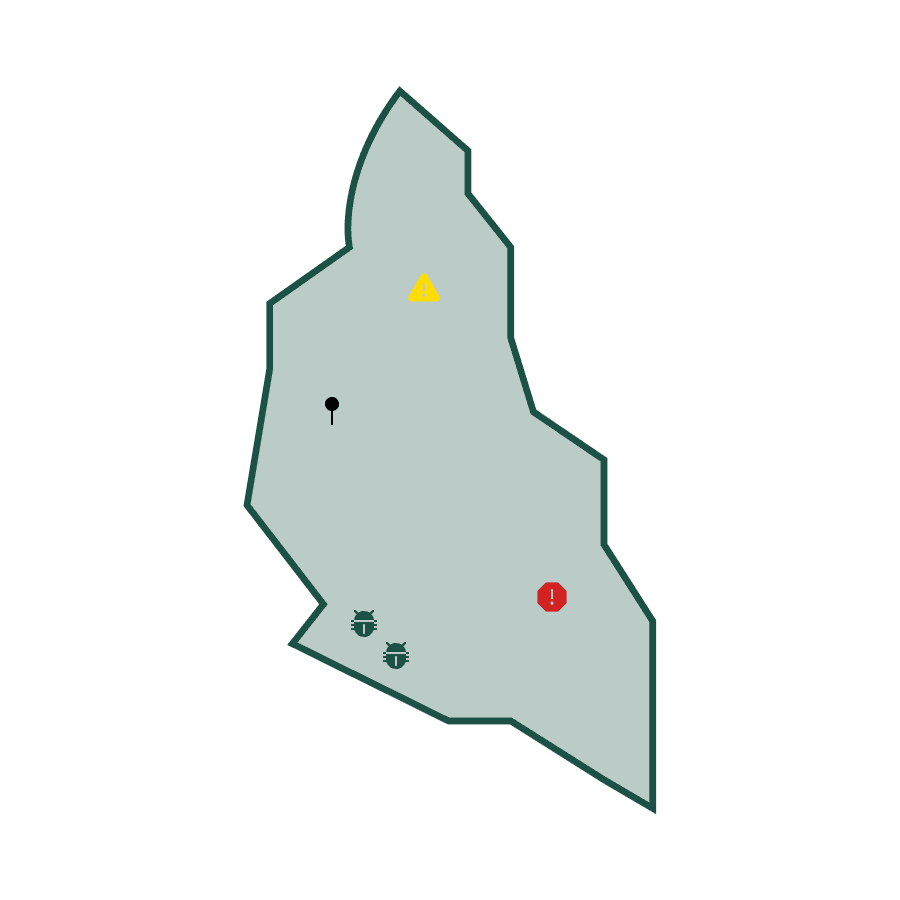
Vector skog
TARGET AUDIENCE & USER NEEDS

Designing for engagement, not just technology

The service targets private forest owners, primarily aged 55–80. This is an engaged demographic that demands reassurance rather than just raw data. Instead of traditional research, I leaned into deep internal expertise through workshops with stakeholders and developers to identify core needs.

Remote Monitoring

The ability to keep track of the forest from a distance

Real-time Updates

Quick notifications about damage, risks, and local weather conditions

Security

Confidence in not missing important information

Low Friction

Avoiding technical complexity and unnecessary interaction steps

DESIGN PRINCIPLES

Designing for the "Non-Tech" Generation

To turn complex insights into a roadmap, we established three core principles.

Radical Clarity

Every interaction must feel invisible, focusing on the forest status rather than the technology.

Real-time Reassurance

Immediate alerts for risks like bark beetles or storms to reduce "distance anxiety."

High-Contrast Utility

WCAG-compliant contrasts and large touch targets to ensure usability in the field.

SOLUTION

Turning complex data into calm understanding

The final solution is a mobile-first service that gives forest owners a clear overview of their land without overwhelming them with technical detail. Instead of raw satellite data, the interface focuses on status, risk levels, and reassurance.

Information is grouped into a single, centralized hub where users can quickly understand:

  • -if something requires attention
  • -what type of risk is present
  • -whether action is needed now or later

By prioritizing clarity over control, the service supports confidence rather than constant monitoring.

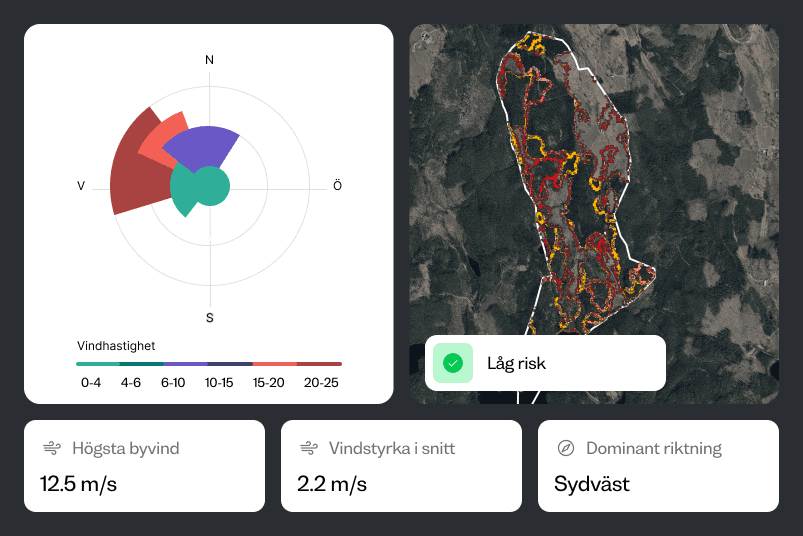
Dashboard
KEY DESIGN OUTCOMES

Confidence through clarity

A single source of truth

All critical forest information is gathered in one place, reducing uncertainty and the need to check multiple tools or sources.

Status before detail

Risk levels and changes are communicated visually first, allowing users to understand the situation at a glance before diving deeper.

Designed for reassurance

The interface avoids alarmist language or unnecessary interaction, reinforcing a sense of calm and trust.

REFLECTION

Designing for reassurance, not control

Emotional intent over technical capability

This project reinforced how powerful design becomes when it prioritizes emotional needs over technical possibilities. While the underlying system is complex, the user experience had to feel simple, predictable, and calm.

Bridging the gap between expertise and UX

Working closely with internal experts showed me that meaningful insights don't always come from traditional research methods. Deep domain knowledge, when translated carefully, can be just as valuable.

The discipline of design restraint

Designing for an older, less tech-confident audience also sharpened my approach to hierarchy, contrast, and restraint, reminding me that good design often means doing less, not more.

Up next

Restaurang Apotek

A bold dining experience deserves a bold digital home.